
Appliances
Understanding wood stoves
Freestanding stoves, inserts and masonry Kachelöfen compared by how they store and release heat.
How a domestic hearth actually works, which firewood species perform well in the German climate, and the maintenance habits that keep a fire clean and safe through the heating season.

The articles below stay close to practical questions: what to buy, what to burn, and how to keep it running cleanly.
Freestanding stoves, inserts and masonry Kachelöfen compared by how they store and release heat.

Hardwood versus softwood, why moisture content matters, and how seasoning changes the burn.

Lighting technique, air control, chimney care and the German chimney-sweep tradition.
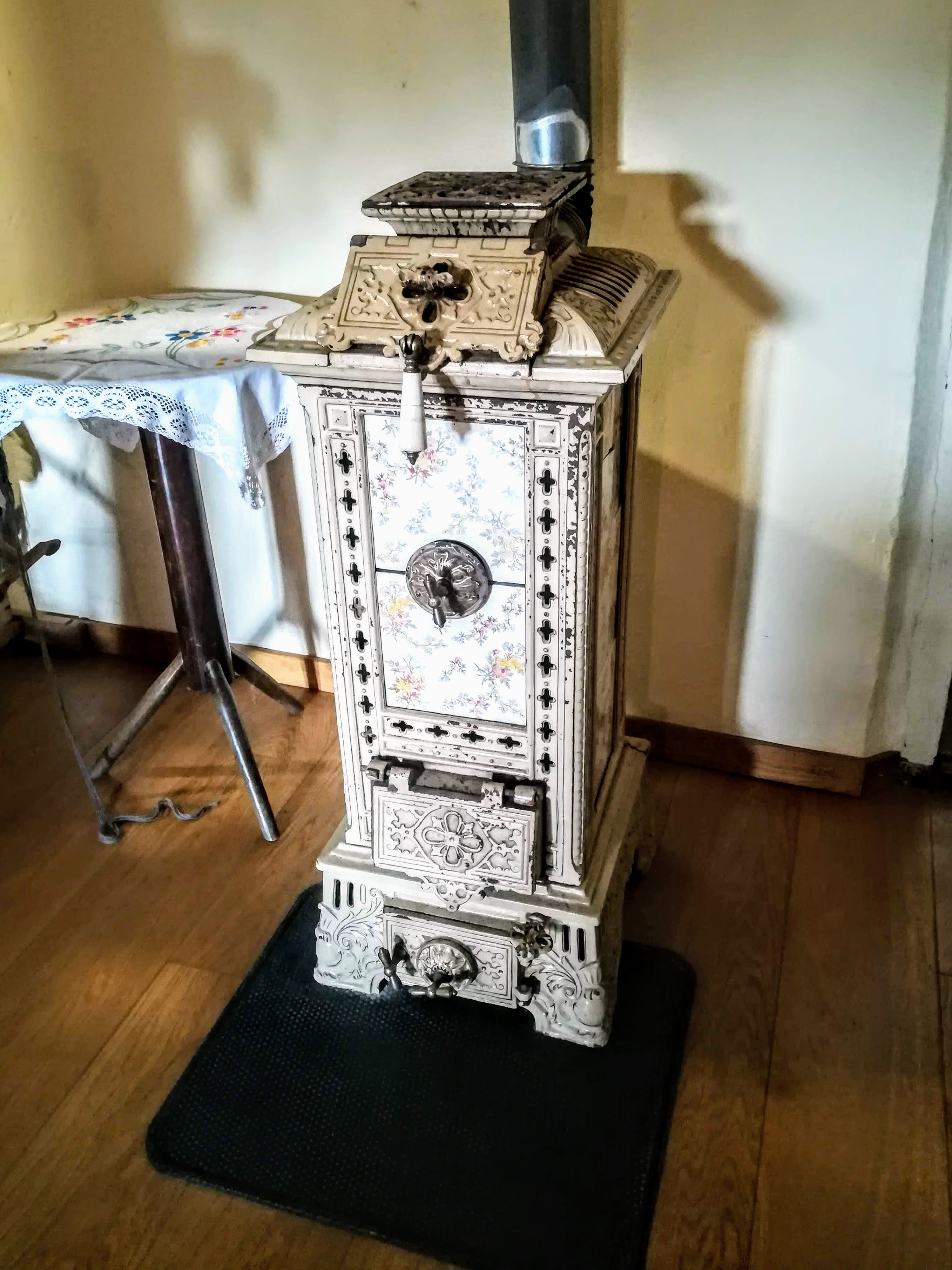
Wood remains a common supplementary heat source in many German households, from rural farmhouses to renovated city flats. The appliances range from cast-iron stoves to the ceramic-clad Kachelofen that stores warmth in its mass and releases it slowly through the evening.
Wood heating in Germany is also regulated. Solid-fuel appliances fall under the federal small-firing ordinance for emissions, and every chimney is inspected by a district chimney sweep. These pages explain the everyday side of that system in plain English.
Notice an inaccuracy or want to suggest a topic for a future article? Send a note using the form. The form runs entirely in your browser for this static edition and does not transmit data to a server.
Editorial enquiries: editor@cedarhearthlane.eu
Last updated: June 1, 2026