Safe hearth operation
A clean fire is a safe fire. Most of the skill is in how the fire is lit, how the air is managed, and how the chimney is kept clear.

Lighting from the top down
The older habit of placing paper and kindling under the logs makes the fire work upward through cold, often damp fuel, producing a slow, smoky start. The top-down method reverses this: larger logs go on the bottom, smaller splits across them, then kindling and a natural firelighter on top.
Lit from above, the flame burns downward and the rising heat warms the fuel below before it ignites. The result is a faster clean burn, less smoke at startup, and a cleaner glass door.
Managing the burn
- Add fuel in modest amounts rather than packing the firebox full.
- Keep a flame visible; a fire that only smoulders is burning dirtily.
- Let a load establish before reloading, and rake embers forward for the next logs.
- Never burn treated, painted, glued or coated wood, or household waste.
The chimney and the German chimney sweep
Burning wood deposits soot and, if the fire runs cool or the wood is damp, tar-like creosote on the inside of the flue. A heavy creosote layer is the main cause of chimney fires, so regular sweeping is both a safety measure and, in Germany, a legal one.
Germany keeps a long-standing district system in which an authorised chimney sweep (Schornsteinfeger) is responsible for inspecting and sweeping the flues in an area. Households are visited on a defined schedule, the appliance and chimney are checked, and the work is documented. This is why a new installation is normally cleared with the responsible sweep before first use.
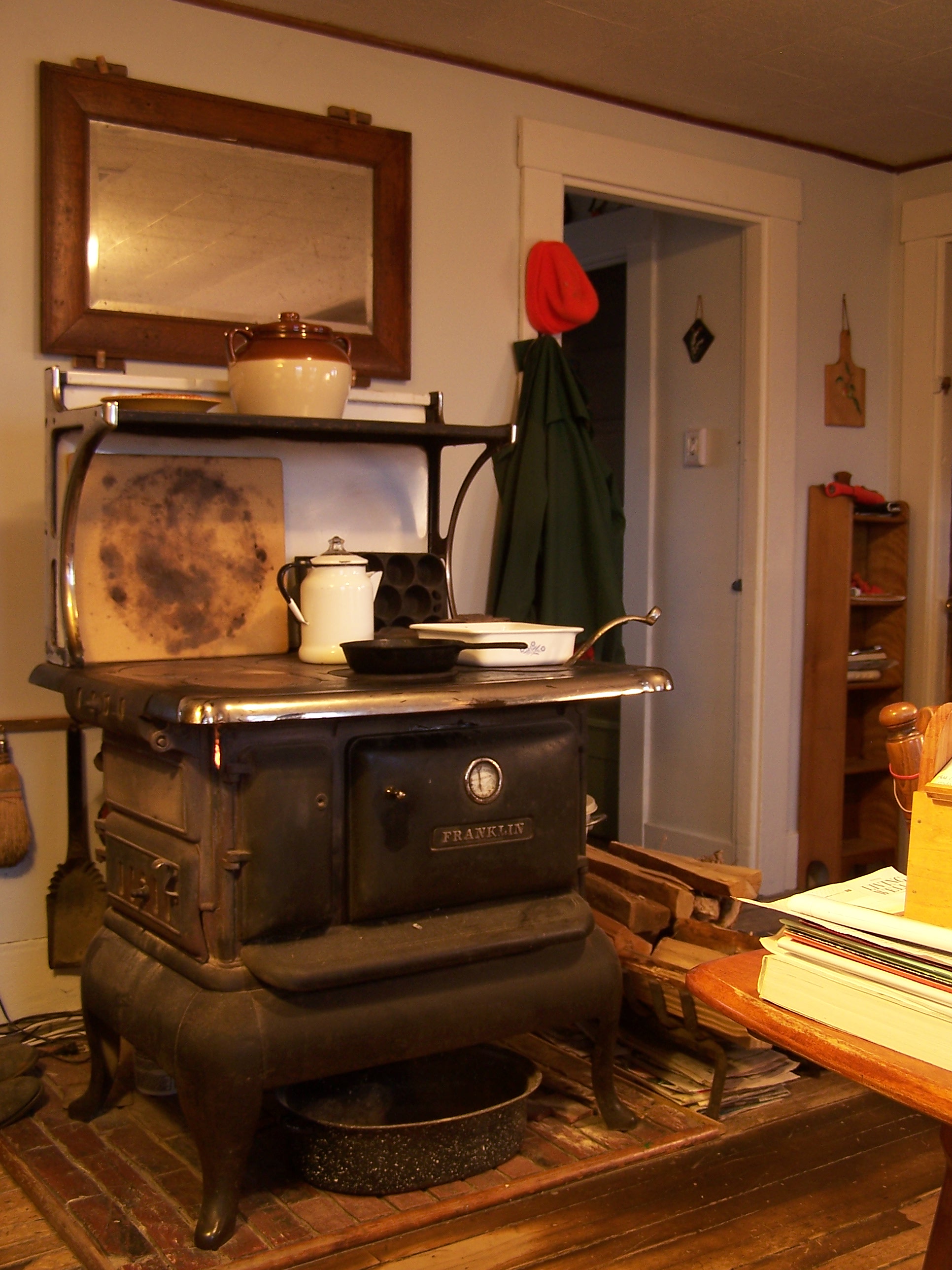
Around the appliance
| Area | Habit |
|---|---|
| Hearth | Keep a non-combustible plate under and in front of the stove for stray embers. |
| Clearances | Keep furniture, curtains and drying laundry well away from a hot appliance. |
| Ash | Remove cold ash into a metal container; embers can stay live for a long time. |
| Detection | Fit working smoke alarms, which are required in homes across Germany. |
A short startup checklist
- Check the air control is open and the flue is clear.
- Build the load large logs first, kindling on top.
- Light from the top and leave the door slightly ajar only as the maker advises.
- Once burning well, reduce air gradually to a steady flame.
Good operation also depends on dry fuel and the right appliance. See choosing firewood and understanding wood stoves. This article is general information and does not replace your appliance manual or advice from your district chimney sweep.